If you have ever watched a video poker screen hover on a near-miss, you already know the royal flush payout is the headline number every player chases. Yet chasing that top prize without understanding the paytable, the bet size, and the house edge is how a session turns from a quiet arvo at the screens into a swift drain on the cashier. This guide walks through what that payout actually represents, how the odds behave in practice, and what to weigh before you put a credit on the machine.
Reading the paytable before you press deal
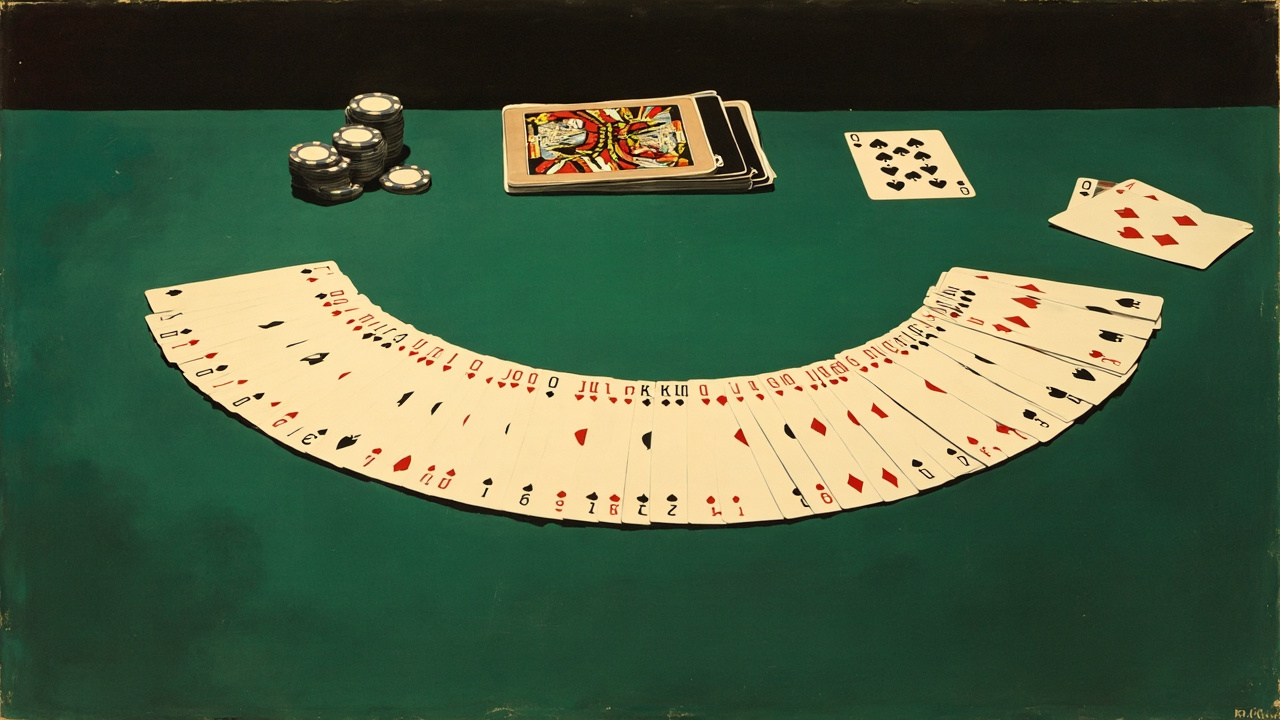
The royal flush payout is not a single fixed figure; it shifts with the game variant, the paytable layout, and whether you are betting one coin or max credits. In a standard Jacks or Better machine, the top prize usually sits at 4,000 coins for a max-coin royal flush, which is why the paytable on the screen matters more than the flashing lights above it. Bet one coin and you are looking at a fraction of that number; push five coins and the return profile changes because the top line scales disproportionately. That scaling is the whole point of the exercise: the royal flush payout is the lever that can tilt a machine from a modest edge to a noticeably tighter one, and it is also the line that tempts players to overbet on the hope of a life-changing hit.
What separates a sensible read from a hopeful one is looking at the full schedule, not just the top row. Lower-paying hands like a full house or a flush set the baseline return, and when those drop even slightly the overall hit frequency and expected value move with them. You will often see two machines side by side with the same denomination but different paytables, and the difference in long-run return can be enough to matter over a busy session. In a market like Australia’s, where players are used to comparing sportsbook odds to the decimal point, the same discipline applies here: treat the paytable as the price list, not the marketing.
If you want a worked breakdown of how often that top hand actually shows up and what the numbers imply for your session, this guide to video poker royal flush odds lays out the probability side in plain terms. Understanding Video Poker Odds for a Royal Flush explains why the rarity of the hand matters just as much as the dollar figure on the screen.
| Detail | What it means for the player |
|---|---|
| Top-line payout | Scales with coin bet; max-coin royal flush is the key number |
| Paytable variance | Two machines can share a denomination but differ in return |
| Hit frequency | Lower-paying hands determine how often you get paid at all |
| Bet sizing | Overbetting to chase the top prize changes bankroll risk fast |
The practical takeaway is that the royal flush payout only tells the full story when you read it alongside the rest of the schedule and your own bet size. A machine that pays generously at the top but pays thin on the middle hands is not automatically the better pick, because the frequency of smaller returns is what keeps a session moving. That is the kind of judgement call a local player would make before committing to a line, not after.
Two angles worth weighing before you play
How the payout interacts with bet size and edge
The first thing to settle is whether you are playing for the shape of the return or for the dream of the top prize, because those are not the same session. Betting one coin keeps exposure low and lets you ride variance without blowing through a bankroll in a hurry, while max-coin betting is the only way to collect the full royal flush payout but it also demands a deeper roll and a steadier nerve. The maths behind this is straightforward enough: the top prize is rare, so the bulk of any return comes from the smaller paying hands, and your bet size determines how much each of those smaller wins is worth in real terms. A player who bets up to five coins without accounting for the per-hand cost can find the royal flush payout looking generous on paper while the session cost climbs just as fast.

This is where the comparison with a high-limit baccarat table is useful. Baccarat tables in high-limit rooms are often large and seat many players, which means the action is spread across a room rather than concentrated on one seat, and the pace is set by the table rather than by one person’s bet sizing. Video poker works the other way: the bet size is yours alone, and the royal flush payout only pays out when the cards land right, so the risk is concentrated rather than shared. That difference matters because it changes how you should think about session length and stop limits. A player who treats the machine like a table game with a shared pace can misjudge how quickly a max-coin strategy can run through a roll on a cold streak.
What the numbers say about variance and the long run
The second angle is variance, which is the polite term for how violently a session can swing between small wins and empty hands. Video poker is not a slow grind in the way some table games are; it can cluster wins and dry spells in ways that test discipline, and the royal flush payout is the prize that makes those dry spells feel longer than they are. A modest share of players can account for a large share of pokie losses, and the same pattern shows up in video poker when bet sizing and session length run ahead of the actual odds. The royal flush payout is the hook, but the long run is built from the ordinary hands, so the player who ignores the middle of the paytable is the one most likely to overstay a session.
If you want a concrete comparison point for how a landmark venue changes the feel of a game, the Hippodrome in London was converted into a landmark casino, and the point is not the building itself but the way a venue shapes expectations around pace, limits, and the size of the roll you bring. That same judgement applies here: the royal flush payout is only one part of the decision, and the rest is whether your bankroll, your bet size, and your stop limit are set for the variance you are actually signing up for. A player who lines those up before pressing deal is the one who can treat the top prize as a bonus rather than a plan.
Matching the payout to how you actually play
The decision comes down to what you are trying to get out of the session. If you are after a measured run with controlled exposure, a lower coin bet and a full paytable read will usually suit better than chasing the top line at max credits. If you are prepared to treat the royal flush payout as a rare prize rather than an expectation, max-coin play can make sense, but only with a bankroll and a stop limit that reflect how rarely that hand arrives. Either way, the paytable, the bet size, and your own limits do more work than the headline number on its own.
For an Australian player weighing the choice, the practical check is simple: read the schedule, decide the per-hand cost, and set a session limit that survives the variance before you hope for the top prize. The royal flush payout is the number everyone notices, but the return you actually experience is built from the whole table and the discipline you bring to it.
The smartest move is to treat the royal flush payout as a feature of the paytable, not the reason to play. Read the full schedule, size your bet to the roll you are willing to risk, and set a stop before the session starts. That way the top prize stays a bonus you might catch, rather than a plan that runs your bankroll cold. https://chestercheetahs.com