I was watching an old Playtech build once where the dealer portrait sat a fraction too far left, and the whole table felt off even though the maths were fine. That same eye for detail matters when you’re trying to make sense of a rule like la partage, because the way a casino presents risk shapes what you actually see when the ball slows. I reckon most Aussies have heard the term tossed around in a busy arvo at the local club, but rarely get a straight read on what it does to their stack. Here’s the practical side, framed around the questions worth asking before you sit down.
What the Rule Actually Does to Your Wager
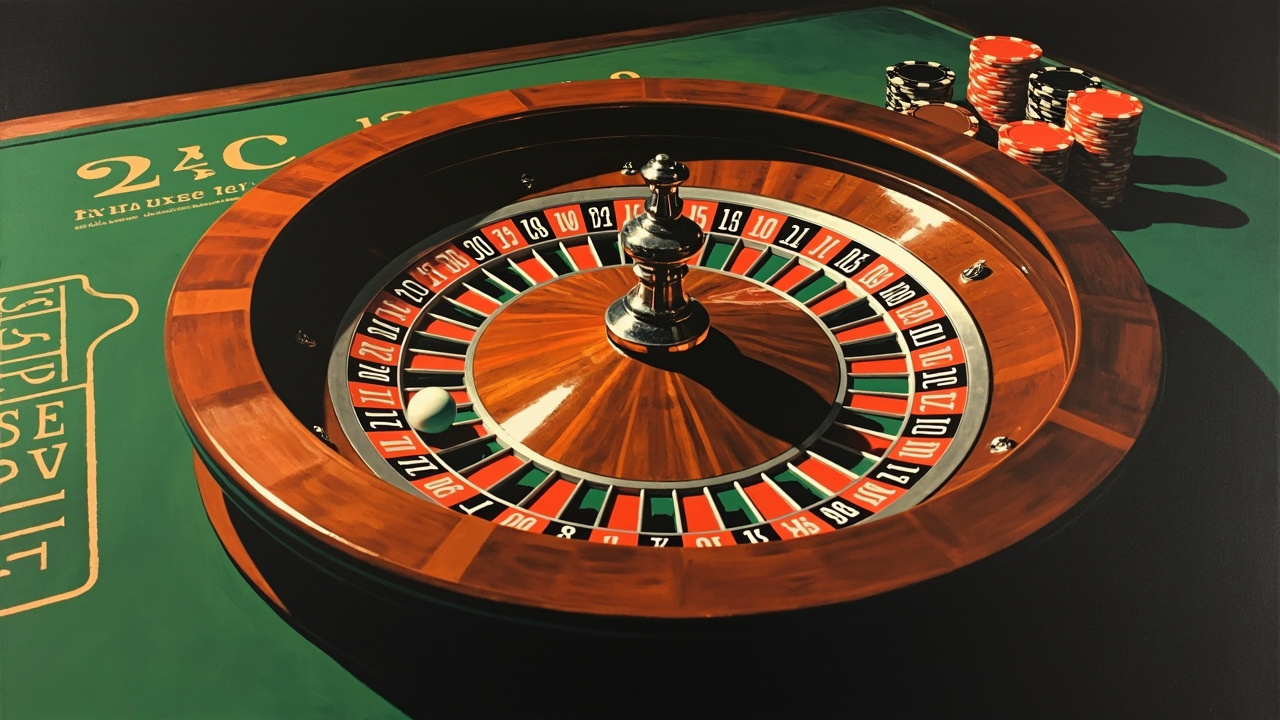
La partage sits on even-money outside bets – red or black, odd or even, high or low – and steps in when the ball lands on zero. Instead of losing the full stake, you get half back, which is the whole point of the rule and the only reason it earns a mention in a serious read. The dealer doesn’t take your whole bet on that spin; they return half and leave the rest on the layout, so your exposure drops straight away. I’ve seen Playtech art-direction teams spend real time on how that moment reads on screen, because a clean visual cue at the zero landing tells you the house hasn’t quietly swallowed your line. The rule doesn’t turn a negative expectation into a positive one, but it does trim the edge on those specific bets, and that matters if you’re weighing how long a session can realistically run. You’ll still lose on a normal zero spin if you’re not on an even-money spot, so the protection is narrower than some marketing implies. is spinago legal in australia review
How the Rule Fits Into Real Play
What it changes at the table
The clearest effect is on bankroll rhythm rather than on any single spin. When zero hits on an even-money bet, la partage keeps you in the game with half your line still active, which is the sort of thing a player notices over a long afternoon more than in any one hand. I remember a conversation with a Queensland regional club manager who said their regulars liked the rule precisely because it softened the sting of a cold zero without pretending the house edge had vanished. That’s the honest read: the rule trims volatility on a narrow set of bets, and it does nothing for splits, corners, or straight-up picks. If you’re the sort who likes to keep a session moving without blowing through a stake in two hard spins, the half-back moment can feel like a sensible cushion. It’s not a rescue, and it’s not a payout boost – it’s a rule that tells you exactly how the table treats a zero on your chosen line.
What it doesn’t do for your session
The rule doesn’t rewrite the maths, and it certainly doesn’t make a zero land any less often. A lot of promotional copy tries to dress la partage up as if it were a hidden advantage, but the honest comparison is closer to a card game in The Sting (1973) that helped popularise elaborate con-artist storytelling – stylish, memorable, and still a story rather than a sure thing. Mills Novelty added fruit symbols and the classic bell to slots for exactly this kind of visual shorthand, and the same instinct shows up when a table layout tries to make a half-back rule look bigger than it is. What you’re actually getting is a narrower loss on a specific bet type, which means your session can breathe a little longer on even-money play without changing the underlying edge. If you’re chasing a big hit, this rule won’t help; if you’re trying to manage how quickly a session can turn, it’s a detail worth knowing before you put chips down.
What to Weigh Before You Play
The questions worth asking are the ones that tell you whether a table’s presentation matches what you’re actually signing up for. You want to know whether the operator’s layout makes the rule visible the moment zero lands, because a cluttered screen or a vague terms note can leave you guessing about what just happened to your stake. You also want to check whether the half-back applies to the same even-money lines across the tables you’re looking at, since some rooms keep it tight and others stretch it with extra conditions. I’d rather see a clean table animation and a plain-language note than a flashy promo that buries the rule in fine print. If you’re comparing rooms, it’s worth reading a proper is spinago legal in australia review so you know the licensing and account controls sit where they should before you care about table rules. The rule itself is narrow, but the way a site handles it – and the support, privacy, and responsible-play tools around it – tells you whether the whole setup is built for real play or just for a quick glance.
If you’re after a rule that trims the sting of zero on even-money bets without pretending the edge has disappeared, la partage is a sensible detail to understand, and the right move is to pick a table that shows it plainly and backs it with solid account controls.